When is a traffic management plan required in South Australia?
Knowing when a traffic management plan is required can prevent delays, improve worksite safety, and make it easier to meet road authority and project requirements. In South Australia, the type of traffic planning needed will depend on where the work is taking place, how traffic will be affected, the risks involved, and which authority controls the road or worksite.
A traffic management plan, commonly referred to as a TMP, sets out how vehicles, pedestrians, cyclists, workers, and other road users will be managed around a work area. For some projects, a detailed TMP will be appropriate. For others, a traffic guidance scheme (TGS) may provide the required site-specific traffic control arrangement.
This guide explains some of the situations where traffic planning may be required and what South Australian contractors, project managers, event organisers, and other stakeholders should consider before work begins.
What is a traffic management plan?
A traffic management plan is a document that explains how traffic-related risks will be managed during a project or activity. It considers how people and vehicles move through or around a site and identifies the controls needed to maintain safe access and minimise conflicts.
Depending on the project, a TMP may address:
- vehicle movements and traffic flow
- worksite entry and exit points
- pedestrian and cyclist movements
- temporary lane or road closures
- detours and diversions
- temporary speed restrictions
- traffic controllers and control points
- signs, cones, barriers, and other traffic control devices
- access for properties, emergency vehicles, and public transport
- construction vehicles, plant, and heavy vehicle movements
- changes to traffic arrangements during different stages of work
For projects requiring detailed planning, Smooth Flow Traffic Management provides traffic control plans and traffic management planning for works across Adelaide and regional South Australia.
When is a traffic management plan required?
There is no single answer that applies to every South Australian project. The required documentation depends on the road authority, work environment, project scope, traffic conditions, and level of risk.
Traffic management planning should be considered whenever work introduces interaction between workers, vehicles, plant, pedestrians, cyclists, or normal road traffic. A formal TMP becomes particularly important where traffic arrangements are complex or where the work significantly changes how people move through an area.
Common situations include the following.
Roadworks affecting a public road
Work carried out on or next to a public road can create risks for both workers and road users. Temporary signs, traffic controllers, lane changes, barriers, reduced speed limits, or other control measures may be needed to establish a safe work zone.
For road space managed by South Australia's Department for Infrastructure and Transport (DIT), permit applications through the Roadworks Portal must include either a TMP or a TGS. The appropriate document will depend on the nature and complexity of the work.
This means contractors should identify the relevant road authority and traffic planning requirements before scheduling crews and equipment.
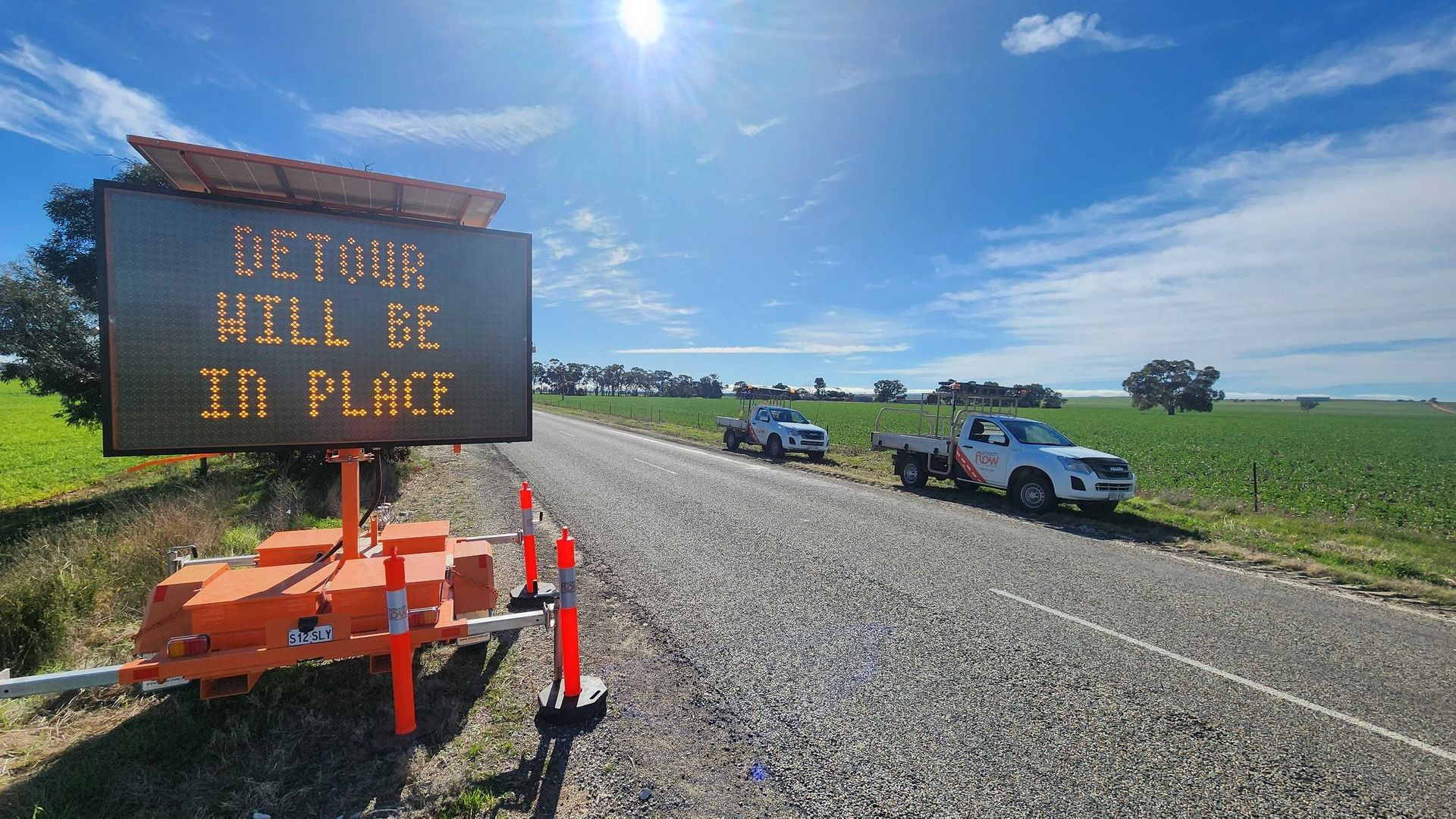
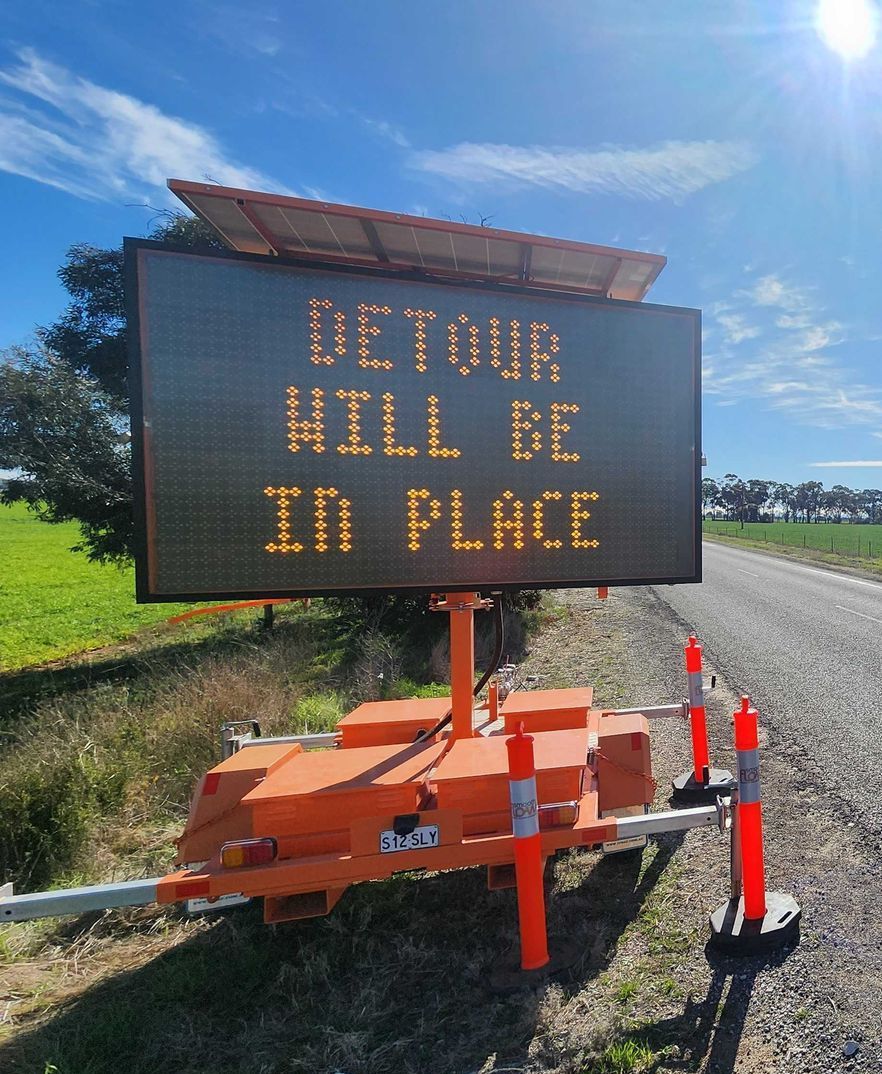
Lane closures, road closures, and detours
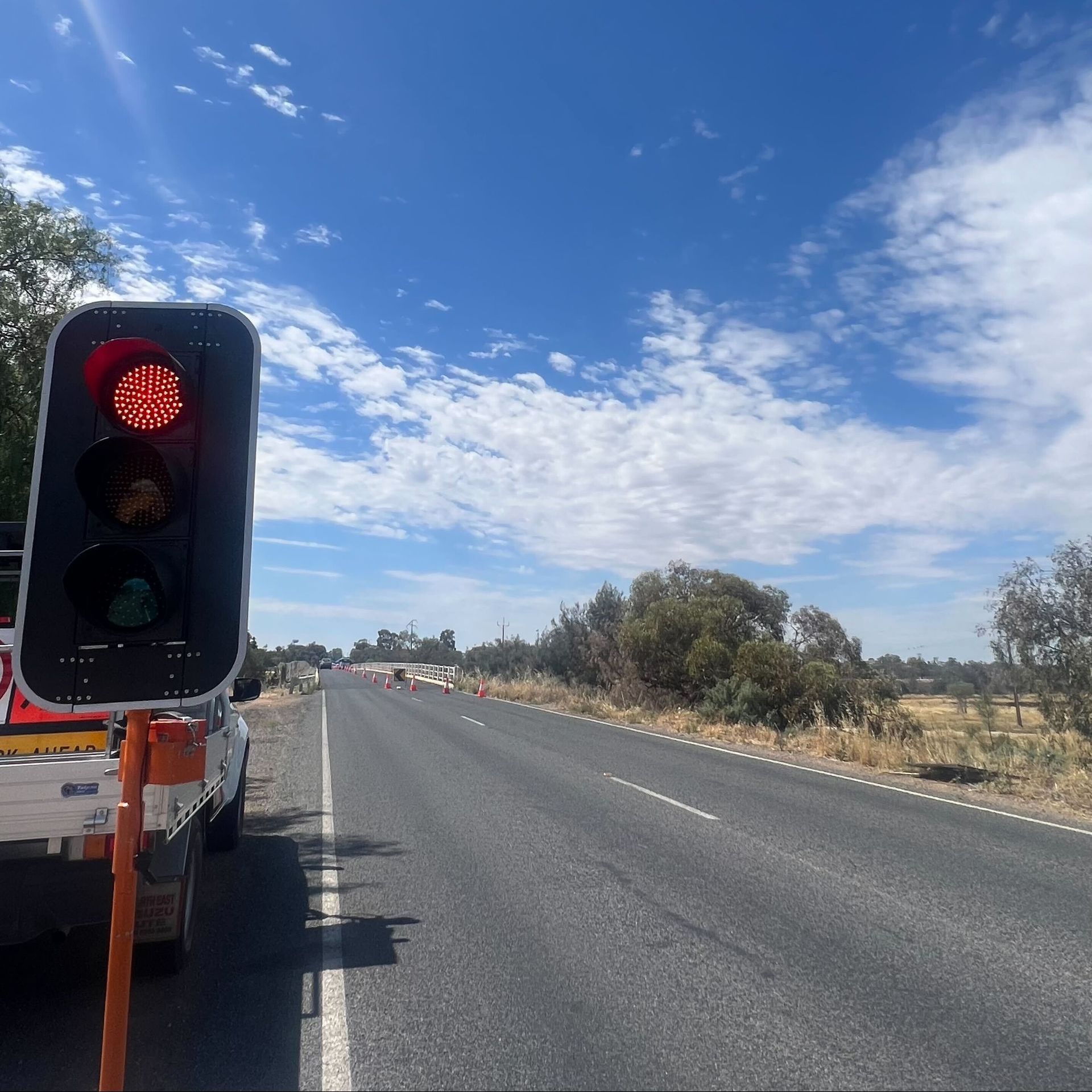
Closing or restricting part of a road changes the normal traffic environment and often requires detailed planning. This can include full road closures, single-lane operation, contraflow arrangements, temporary diversions, and altered intersection movements.
The plan may need to consider traffic volumes, road speed, queue lengths, property access, vulnerable road users, and how emergency vehicles will move through or around the work area.
The approved planning can then be implemented through suitable traffic control services, including stop and slow operations, road and lane closures, mobile traffic control, detours, and on-site vehicle pilotage.
Construction and civil works near traffic
Construction sites can involve frequent movement of trucks, workers, machinery, delivery vehicles, and members of the public. Site access points can be particularly important where vehicles are entering or leaving a live road.
Safe Work Australia identifies traffic management as an important part of managing construction risks. Traffic planning should consider factors such as vehicle movements, loading and unloading areas, blind spots, pedestrian interaction, visibility, parking, and site access.
Working on or next to a public road is also considered high-risk construction work for WHS purposes, so additional requirements such as a Safe Work Method Statement may apply.
Projects involving pedestrians or cyclists
Traffic management is not limited to motor vehicles. Footpaths, shared paths, crossings, cycling routes, and pedestrian access can all be affected by construction and roadworks.
A plan may need to establish temporary pedestrian routes, controlled crossings, barriers, accessible paths, or other measures that separate people from vehicles and construction activities.
These arrangements are particularly important around busy commercial areas, schools, community facilities, events, and worksites where pedestrians would otherwise enter or pass close to the work zone.
Events that affect roads or traffic
Community events, festivals, sporting events, parades, and other activities may require traffic management when they change normal road, parking, or pedestrian conditions.
Traffic arrangements might include temporary road closures, changed parking conditions, controlled pedestrian crossings, detours, event access points, and advance warning signs.
Depending on the event and affected road, additional approvals can also be required. Event organisers should therefore confirm approval and traffic management requirements early in the planning process.
Regional, remote, and high-speed road projects
Traffic planning can be especially important on regional and remote roads where higher travel speeds, long stopping distances, limited alternate routes, heavy vehicles, and greater distances between project resources can affect how a work zone is established.
These sites may require additional advance warning, temporary traffic controls, specialised equipment, or carefully planned detours and access arrangements.
Smooth Flow provides traffic management services across urban, regional, and remote areas of South Australia, allowing planning and on-road implementation to be coordinated around the conditions of each project.
What is the difference between a TMP and a TGS?
A traffic management plan and a traffic guidance scheme are related, but they are not necessarily the same document.
A TMP provides the broader approach to managing traffic throughout a project. It can address risks, traffic demand, access, different project stages, responsibilities, road users, incident arrangements, and the overall traffic management strategy.
A TGS is more focused on the physical arrangement of temporary traffic control devices at a particular worksite. It typically shows how signs, cones, barriers, traffic controllers, and other devices are positioned to guide people safely through or around the work area.
South Australia's work zone traffic management standards define a TGS as the arrangement of temporary signs and devices used to warn and guide road users through or past a worksite or temporary hazard.
Some projects may only require an appropriate TGS, while more complex works can require a broader TMP supported by one or more traffic guidance schemes.
What factors determine the level of traffic planning required?
Before deciding what type of plan is needed, the project team should consider the actual conditions at the site rather than relying on a generic setup.
Important factors can include:
- who controls the road or land
- the type and duration of work
- existing speed limits
- traffic volumes and peak periods
- the number of lanes affected
- nearby intersections and driveways
- pedestrian and cyclist movements
- public transport routes
- heavy vehicle and machinery movements
- worksite access and egress
- visibility and sight distance
- night works
- emergency access
- different stages of construction
- the potential for queues or delays
A straightforward short-duration activity on a low-volume road can have very different requirements from long-term civil works affecting an arterial road, busy intersection, or regional highway.
Who approves traffic management arrangements in South Australia?
The relevant authority depends on where the work is taking place. DIT manages requirements for works affecting roads under its control, while local councils can have their own processes for council-controlled roads and public spaces.
Other stakeholders can also become involved depending on the project. These may include South Australia Police, emergency services, public transport operators, utility providers, event organisers, project principals, and adjacent businesses or property owners.
Confirming the responsible road authority early can reduce the risk of preparing the wrong documentation or allowing insufficient time for approvals.
Does a traffic management plan need to change during a project?
A TMP should reflect the traffic conditions and work activities that are actually taking place. If the construction program changes in a way that affects traffic management, the plan may need to be reviewed or revised.
This is particularly relevant for staged works where access points, lane closures, work zones, pedestrian routes, or traffic control arrangements change as the project progresses.
Regular site monitoring can also identify conditions that were not apparent during the planning stage. The traffic arrangement should remain appropriate for the real conditions on site rather than simply remaining unchanged because it appeared in the original documentation.
Planning traffic management before work begins
Traffic management is easier to coordinate when it is considered early in the project rather than immediately before mobilisation. Understanding the scope, work location, road authority, proposed work hours, plant movements, and likely effect on road users gives planners more information to develop an appropriate solution.
Early planning also allows time to arrange traffic controllers, signage, temporary signals, message boards, lighting, and other equipment where required.
Explore our traffic planning services to see how Smooth Flow can support traffic management plans, traffic guidance schemes, detours, permits, and project-specific traffic arrangements.
Frequently asked questions about traffic management plans
Does every construction project need a traffic management plan?
Not every construction project will have identical documentation requirements. The need for a formal TMP depends on the traffic risks, work environment, road authority, and nature of the project. Construction activities involving interaction between workers, plant, vehicles, pedestrians, or public roads should have suitable traffic management measures in place.
Do I need a TMP for work on a council road?
Requirements can vary between councils and according to the type of work being undertaken. Check with the relevant council before commencing works or lodging an application so you know which traffic planning documents and approvals are required.
Is a traffic guidance scheme enough for roadworks?
It can be for some projects. DIT's Roadworks Portal allows a TMP or TGS to accompany a road-space permit application. More complex or longer-term works can require broader traffic management planning, so the appropriate document should be confirmed for the specific project.
Can one traffic management plan cover several stages of work?
A plan can account for multiple project stages when those arrangements are properly documented. Changes that affect traffic movements, lane closures, pedestrian routes, access points, or other traffic controls may require the plan or associated traffic guidance schemes to be updated.
Need help planning traffic management for a South Australian project?
The right traffic planning approach depends on the road, project, traffic conditions, work program, and approvals involved. Smooth Flow Traffic Management provides planning and on-road traffic services for civil construction, roadworks, events, mining, and regional projects across South Australia.
If you're unsure what traffic planning documentation your project may require, contact our team to discuss your project. We can review the scope and help identify an appropriate traffic management solution before works begin.